Returns hurt everyone. A tiny popped seam turns into a refund, a sad customer, and a wasted product. There is a better way. Set up a small repair bar inside the store. Use brand-approved thread packs and a few quick fixtures. Fix the issue in minutes. Keep the product in play. Make the customer smile. This guide shows how to build the service and run it with calm.
What a repair bar does
A repair bar is a small station in the store where skilled staff fix simple sewing problems while the customer waits. Think loose hem, popped belt loop, zip pull swap, small patch at pocket mouth, loose label. The goal is fast, tidy, and approved by the brand spec. Not a full tailor shop. A clean counter with the right tools.
The starter kit
Machines and fixtures
- One single needle lockstitch with a quiet motor and LED light
- One compact coverstitch or narrow zigzag for knit hems
- A small heat press with a timer and a cool clamp block
- Edge guide, compensating feet, and a 2 mm stitch foot for neat top lines
- A tiny snap setter and a zipper pull tool
- Cutting mat, ruler, awl, clips, and seam ripper
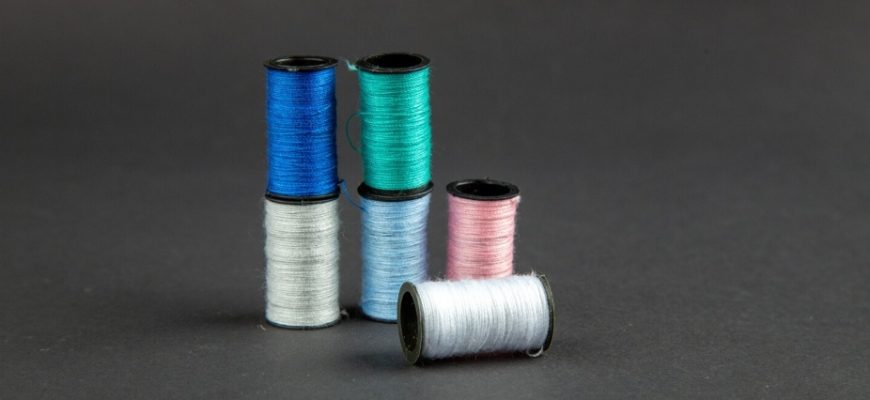
Brand-approved thread packs
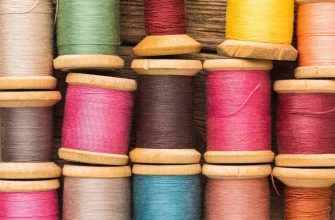
- Same fiber family as the product. Polyester sewing thread (like polyester embroidery thread) for polyester-rich apparel, nylon for nylon-heavy items, cotton or lyocell for natural programs
- Two ticket sizes per color. Fine ticket for runs, one step heavier for tacks and stress points
- Low-friction finish for smooth sewing. Silicone-free near any bonded or printed zones
- Core shade set that maps to the brand palette. Black, near black, charcoal, navy, stone, sand, cocoa, olive, house red, house blue
Small trims
- Spare zipper pulls, snaps, hook and loop squares, label patches, and short strips of heat film that match the garment polymer
Simple workflow that fits retail
- Triage at check-in
Staff looks at the issue and picks a recipe. Close a seam gap. Reinforce a belt loop. Replace a pull. The staff confirms the fix is inside the bar scope. - Scan and choose the kit
A QR on the care label opens the product page. The page shows the thread map, ticket, and needle point for that seam. Staff grabs the matching pack. - Fix while they wait
Most jobs are 5 to 10 minutes. The customer shops or sips water. The counter has a timer to keep things moving. - Log the repair
Staff scans the kit ID and taps the recipe used. Warranty stays green because the bar used approved parts.
Three core recipes
Close a small seam gap
- Use fine ticket thread
- Needle BP 75 for knitted fabrics or micro 80 for fabrics that are woven
- Stitch 301, length 3.0 to 3.5 mm
- Start 1 cm before the gap and finish 1 cm after. Light back tack or bury ends. Press light and cool clamp one second
Reinforce a pull point
- Use heavier ticket thread
- Short, wide bartack. Width 3 to 4 mm, 10 to 14 stitches
- If the fabric is delicate, add a tiny backing square inside and trim clean
Secure a hem on knit
- Coverstitch length 3.2 to 3.5 mm
- Differential feed 1.10 to 1.20 so the hem sits flat
- No softener spray. Press the light only
Queue and promise rules
- A visible sign lists what the bar can do and the average times
- One job per customer in rush hours
- If the fix is outside scope, offer a mail-in to the service hub using the same threads and recipes
Training plan that works in days
- Teach staff to read the thread pack label. Fiber family, ticket, finish, shade code
- Needle pick by fabric. Ball point for knits. Micro for wovens. Leather points only on real leather parts
- Use of the edge guide for straight top lines at 2.5 mm from the fold
- Press rules. Low heat, short dwell, cool clamp 2 to 3 seconds where film is used
- Safety basics. Finger distance, foot pedal control, tool storage
Data you should collect
- Repairs per week and by recipe
- Minutes per repair
- Returns avoided and refunds saved
- Most used colors and tickets, so you restock smart
- Quick notes on tricky styles that might need a spec update at the factory
Customer experience details
- Clear the menu at the counter. Free under warranty, small fee out of warranty
- Before and after photo board to show quality
- Care card after the fix. Wash tips and what to do next time
- Offer a tiny repair kit for home with two mini cops and two needles for travel
Troubleshooting table
| Problem | Likely cause | Fast fix |
| Puckering after restitch | Needle too big or top tension high | Drop needle one size, lower tension, lengthen stitch 0.2 mm |
| Color mismatch at seam | Wrong pack or shade drift | Use brand palette map, pick a near shade, not exact, avoid shiny thread |
| Bond lifts near fix | Silicone near the film or overheating | Use silicone-free thread by bonds, shorter dwell, cool clamp |
| Bartack cuts cloth | Tack too dense or cutting point | Widen tack slightly, switch to ball point, add tiny backing |
| Hem waves on knit | Differential feed off | Raise to 1.15 to 1.20, reduce foot pressure |
One week pilot
Day 1 set the counter and build five thread packs per shade.
Day 2 train two staff for 90 minutes on the three recipes.
Day 3 open soft with staff clothing and store samples.
Day 4 start customer fixes for free under warranty.
Day 5 record times and pain points.
Day 6 adjust needle sizes, edge guides, and pack labels.
Day 7 publish the service menu and start normal flow.
Tech lines you can copy into your spec
- Threads use brand approved fiber family and two ticket sizes. Fine for runs, heavy for tacks
- Needles BP 75 for knitted fabrics or micro 80 for fabrics that are woven
- Stitch 301 length 3-3.5 mm, coverstitch 3.2-3.5 mm, bartack width 3-4 mm
- Press low heat, short dwell, cool clamp 2 to 3 seconds
- Logging scan product QR and kit ID after repair
Wrap
A retail repair bar turns small faults into quick wins. With brand approved thread packs, clear recipes, and a couple of fixtures, teams fix common problems fast. Returns drop. Customers feel cared for. Products live longer. Start small, measure, and improve gradually. The service will pay for itself and steadily build trust.